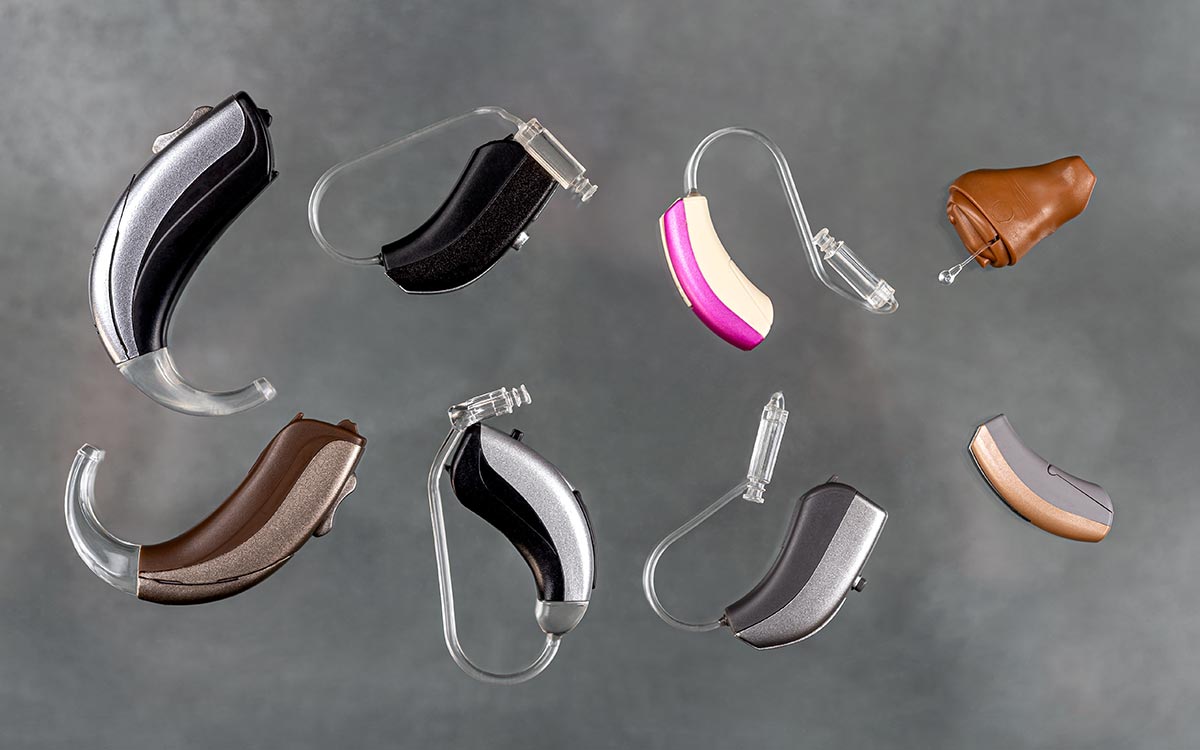
The total amount of hearing aid designs and technology levels on the market today can make the selection process feel complicated. But regardless of your needs, there’s a hearing solution for every lifestyle, preference, and degree of hearing loss. Success lies in finding the specific aid that meets your personal preferences.
Understanding the distinctions among the most popular types of hearing aids can help you feel more informed and confident as you explore your options. This guide examines the most common styles and highlights the specific advantages each one offers.
ITC (In-the-Canal) Hearing Systems
The Layout:
ITC models are custom-fitted to sit within the ear canal, though a small part of the shell remains visible in the ear’s outer portion.
Why people select them:
- Provides an understated appearance compared to traditional styles
- Individualized shaping ensures long-term wearing comfort
- Works well for individuals experiencing mild hearing challenges
First-time wearers frequently lean toward ITC aids because they strike an ideal compromise between size and performance.
IIC (Invisible-in-Canal) Engineering
Core Characteristics:
IIC hearing aids are the tiniest custom style available. This style rests deep in the ear for a completely covert appearance.
Why individuals choose them:
- Highest level of discretion for the wearer
- Pure sound quality due to microphone placement
- An ultra-light design renders them easy to wear all day
The small form factor of IIC models makes them perfect for mild hearing loss and anyone who values an invisible hearing solution.
In-the-Ear (ITE) Hearing Aids
The Fundamentals:
ITE devices are built to stay in the outer ear area, offering two different shell sizes based on your anatomy. They are custom-made to fit the shape of your ear.
Why users favor ITE:
- A slightly larger casing houses advanced tech and more powerful batteries
- The physical size is simpler to grip and adjust for users with fine motor concerns
- Effective for mild to profound hearing loss
Many people prefer ITE devices because they provide a streamlined, self-contained design that doesn’t hook over the ear.
Traditional Behind-the-Ear (BTE) Units
Summary:
These devices rest on the outer ridge of the ear’s anatomy. Audio is delivered through a thin tube or a personalized mold in the canal.
Key Strengths:
- Known for being remarkably adaptable and robust
- Function for almost all degrees of hearing loss
- Big enough to include sophisticated software and modern rechargeable technology
The combination of user-friendliness and powerful audio makes BTE aids an excellent contender for many patients.
Modern RIC Models
Component Layout:
The RIC design keeps the main housing on the back of the ear while moving the receiver into the ear canal itself.
Why they are popular:
- Very natural sound quality
- Small, lightweight, and comfortable
- Excellent for many levels of hearing loss
RIC devices are one of today’s most common styles, thanks to their blend of comfort, aesthetics, and performance.
Extended-Wear Hearing Aids
Introduction:
These devices are inserted far in the ear canal by a hearing professional and can stay in place for several weeks at a time.
Why people select them:
- Perfect for wearers who want to bypass the routine of handling hearing aids daily
- They are virtually impossible for others to notice because of their depth
- Engineered to be worn during everyday activities, including sleeping and exercising
Extended-wear devices are perfect for patients who want a “set it and forget it” approach.
Smart Hearing Aids with Bluetooth
Operation:
Bluetooth-ready hearing aids enable a wireless digital bridge between your hearing technology and your smart devices.
Modern Perks:
- Send calls, music, and audio straight to the hearing aids
- Modify settings via an app
- Provides the ultimate in ease for people who use smartphones regularly
Bluetooth features are available across many styles, including RIC, BTE, and some ITC models.
Alternative Implantable Options
Technical Definition:
Middle-ear implants are specialized instruments that use mechanical vibration to enhance hearing via the middle ear.
Medical Reasons:
- A viable path for patients who are unable to wear standard acoustic devices
- Solves the problem of ear discomfort caused by regular hearing aids
Candidates for middle-ear implants must complete a comprehensive evaluation by a hearing specialist.
Choosing the Right Style for Yourself
Every hearing aid style offers its own advantages, and the right option depends on your level of hearing loss, comfort preferences, lifestyle, and cosmetic considerations. An audiology professional is your best resource for evaluating these options and finding a match for your daily routine.
If you’re prepared to investigate the possibilities, schedule a hearing evaluation today. Your future of confident communication starts with this first evaluation.
Sources:
https://www.mayoclinic.org/diseases-conditions/hearing-loss/in-depth/hearing-aids/art-
20044116
https://www.hearinglife.com/hearing-aids/types
https://www.nidcd.nih.gov/health/hearing-aids
